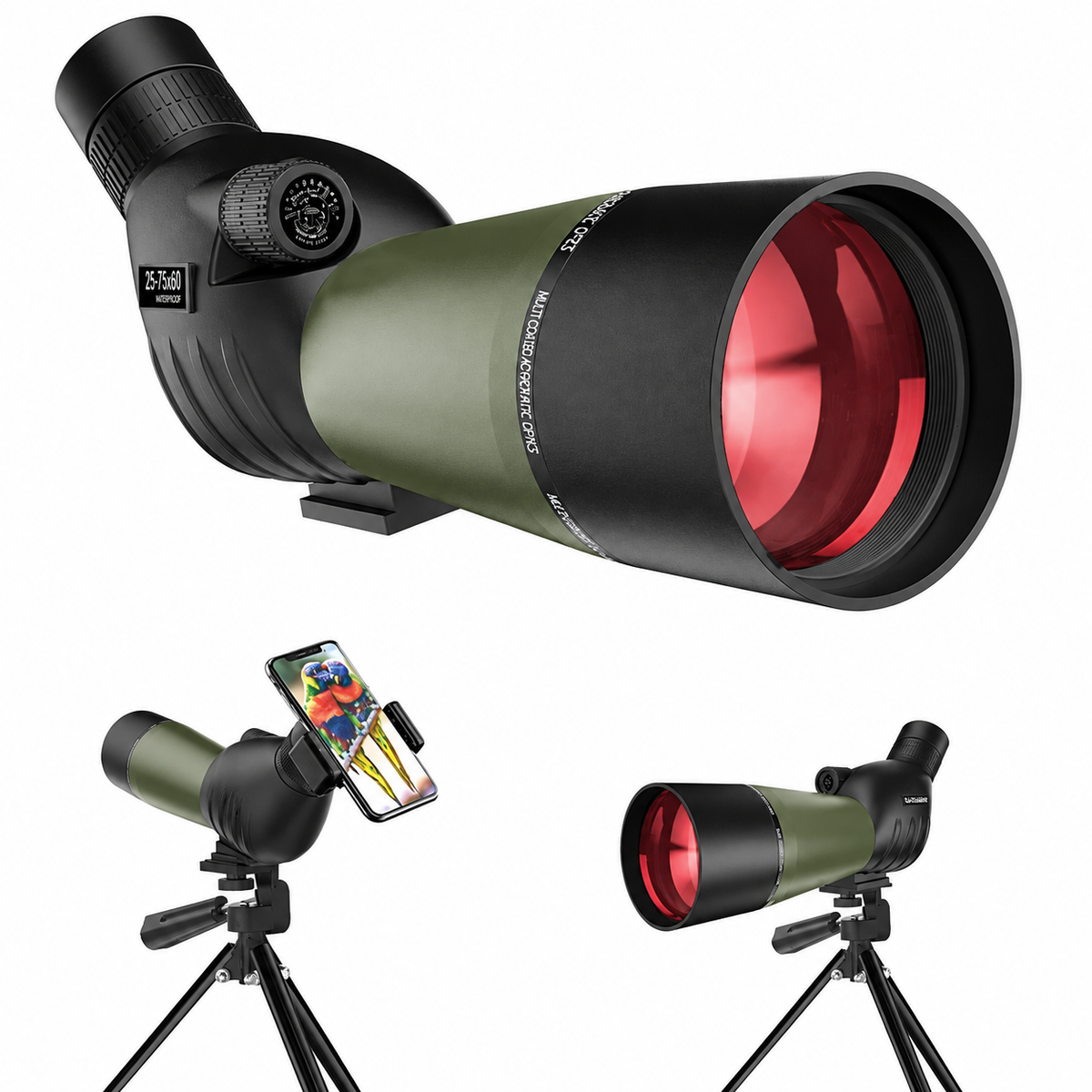
Bird watching is a serene activity that connects us closer to nature, inviting us to observe wildlife in its untouched form. As with many outdoor adventures, the right equipment can greatly enhance your experience. Enter the spotting scope, a tool that brings a wealth of detail into view, enriching the traditional methods of wildlife viewing. In this post, we'll dive into how spotting scopes can transform your bird watching excursions.
Table of Contents
- Understanding the Spotting Scope
- Key Features of Spotting Scopes
- Spotting Scope vs Binoculars: Which is Right for You?
- Tips for Using Your Spotting Scope
- Making the Most of Wildlife Observation
- Complementing Your Gear
Understanding the Spotting Scope
A spotting scope is a compact, portable telescope designed primarily for observing terrestrial objects. It's a fantastic tool for wildlife viewing, typically offering higher magnification than binoculars and allowing closer observation of distant subjects. For bird watching, a spotting scope can provide detailed views of birds and other wildlife at a distance, making it particularly useful when observing across open areas, shorelines, fields, or distant treetops.
Key Features of Spotting Scopes

- Magnification: Most spotting scopes offer magnification in the range of 15x to 60x or even higher, allowing you to see birds in far greater detail than with traditional binoculars.
- Objective Lens Diameter: The objective lens gathers light for the scope. Lens size is one of several factors—including optical design, lens coatings, magnification, and available light—that can affect the viewing experience.
- Tripod Mounting Capability: Because of their higher magnification, spotting scopes usually require the stability provided by a tripod for optimal usage.
For those looking to add higher-magnification viewing to their bird-watching setup, Forejourney's Spotting Scopes with Tripod offers an excellent combination of clarity and stable viewing.
Spotting Scope vs Binoculars: Which is Right for You?

While both spotting scopes and binoculars have their place in bird watching, their ideal applications can differ. Here's a brief comparison to help you decide which might best suit your needs:
- Spotting Scopes: Best for stationary viewing situations where you'll be observing wildlife from a single location. They allow for higher magnification, making them advantageous for long-distance viewing and detailed study of birds.
- Binoculars High Magnification: Forejourney's High Magnification Binoculars provide a handheld viewing option that can be convenient when you're moving between locations or scanning an area for wildlife without setting up a tripod.
Neither option is necessarily better for every situation. Your choice depends on how you prefer to observe: binoculars lend themselves to quick, handheld viewing, while a spotting scope provides greater magnification when you want to settle in and observe something farther away.
Tips for Using Your Spotting Scope
To get the most out of your spotting scope, consider these actionable tips:
- Stability Matters: Always use a sturdy tripod to avoid image shake at high magnification levels.
- Plan for the Conditions: Check the weather before heading out and protect your optics from conditions they aren't designed to handle. When choosing any optic, consider whether its stated weather-resistance features match where and how you expect to use it.
- Angle Your Scope Wisely: An angled spotting scope can be more comfortable for prolonged watching sessions, especially when multiple viewers are sharing the same scope.
- Get Comfortable at the Eyepiece: Take a moment to find a comfortable viewing position at the eyepiece before increasing magnification. If you wear glasses, check the scope's eyepiece and eye-relief specifications and adjust your setup accordingly.
Making the Most of Wildlife Observation
Using a spotting scope doesn’t just enhance your bird watching; it opens a door to deeper wildlife observation. The minute details visible can reveal behavioral patterns, feeding habits, and interactions within species, offering a new appreciation for the biodiversity around us.
Complementing Your Gear
When planning your next expedition, consider complementing your spotting scope with Forejourney's Binoculars High Magnification for versatile viewing options. Whether you're exploring a dense woodland or a wide-open prairie, having the right combination of tools ensures you're always ready to catch that elusive sighting.
Whether you're an experienced birder or just beginning to explore bird watching, choosing optical gear that suits the way you observe can make time in the field more enjoyable. A spotting scope gives you higher magnification for closer observation at a distance, while binoculars offer the convenience of handheld viewing. You may prefer one or find that the two complement each other depending on where the journey takes you.
Explore Forejourney for more outdoor guides, bird-watching tips, and gear for your next journey.